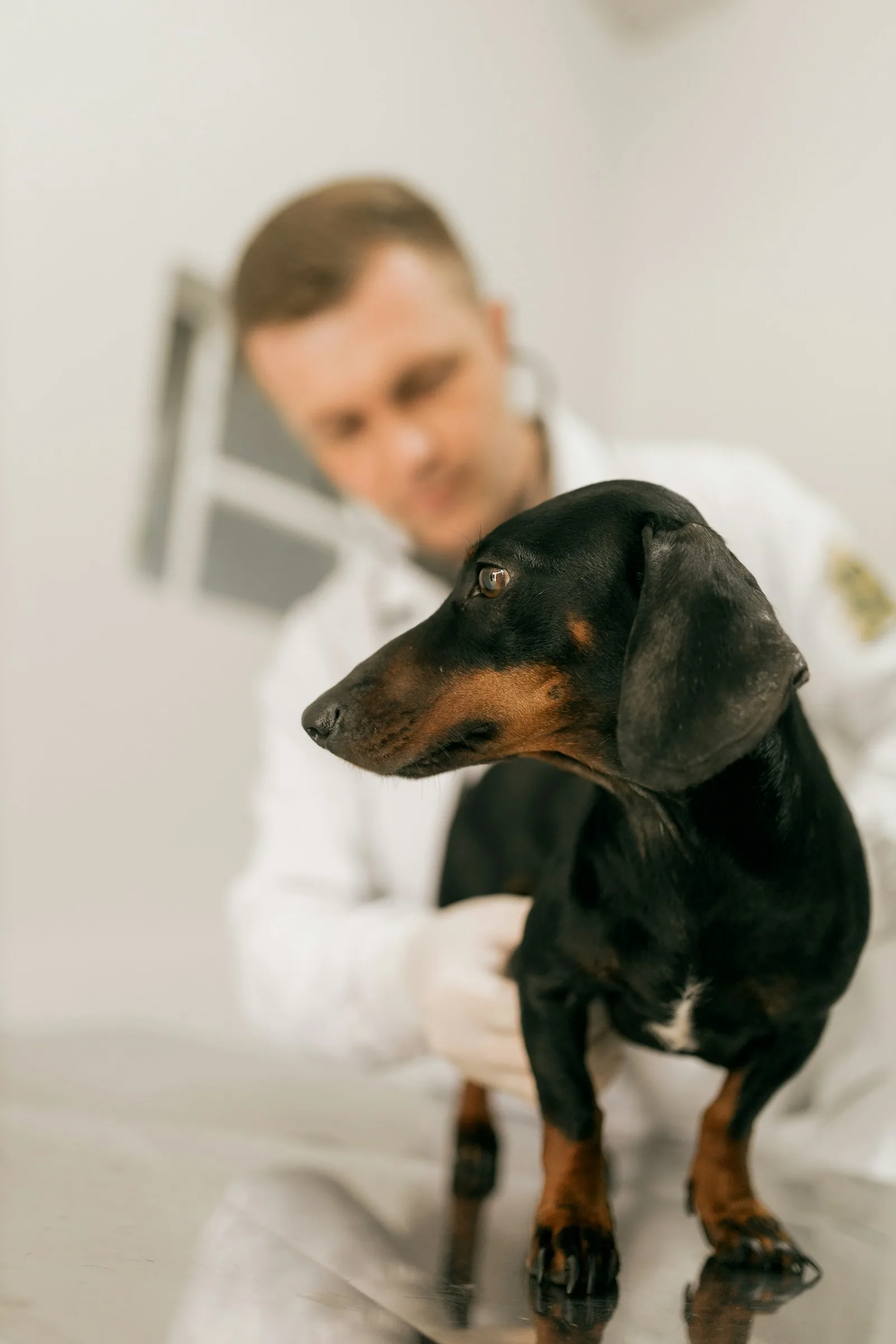
Short answer: healthy adult dogs and cats should see a vet at least once a year. Puppies and kittens need a visit every 2 to 4 weeks while they get their first vaccines (from about 6–8 weeks until at least 16 weeks old). Senior pets, which means dogs older than about 7 and cats older than 10, should be examined every six months, and cats over 15 about every four months. Pets with an ongoing health problem may need to go more often.
Those intervals come from veterinary guidelines, not from clinics trying to sell more appointments. The American Animal Hospital Association (AAHA) and the American Veterinary Medical Association (AVMA) both recommend a check-up “at least once a year” for every dog and cat, with more frequent exams for older pets. Below you’ll find a visit schedule by age for dogs and cats, what happens at each kind of visit, why a yearly exam matters even for a pet that seems perfectly healthy, what to keep track of between visits, and the signs that mean you shouldn’t wait for the next appointment.
Vet visit schedule by age
| Life stage | Dogs | Cats |
|---|---|---|
| New pet (any age) | Soon after you bring them home | Soon after you bring them home |
| Puppy / kitten (6–16 weeks) | Every 2–4 weeks for the vaccine series | Every 3–4 weeks for the vaccine series |
| Rest of the first year | Booster visit at about 6 months or 1 year | Booster visit at about 6 months or 1 year |
| Adult | At least once a year | At least once a year (ages 1–10) |
| Senior | Every 6 months from about age 7 (sooner for giant breeds) | Every 6 months from age 10; every 4 months over 15 |
| Ongoing illness | As often as your vet advises | As often as your vet advises |
Based on the AAHA/AVMA Preventive Healthcare Guidelines, AAHA’s senior care recommendations, the 2021 AAHA/AAFP Feline Life Stage Guidelines and the Feline Veterinary Medical Association’s senior care guidelines. Your vet may suggest a different schedule for your pet.
Puppies and kittens: several visits in the first months
The first few months are the busiest. Young animals get their first vaccines as a series of doses a few weeks apart, because antibodies from their mother can block a single early shot. Each dose is usually a short visit with a quick exam.
- Puppies usually start core vaccines at 6 to 8 weeks and get a dose every 2 to 4 weeks until they are at least 16 weeks old, with rabies given on the timing local law sets. Our puppy vaccination schedule has the week-by-week version.
- Kittens start the FVRCP vaccine at 6 to 8 weeks and get a dose every 3 to 4 weeks until at least 16 weeks, plus feline leukemia (FeLV) vaccines and rabies. See our kitten vaccination schedule for the details.
The American Kennel Club’s chief veterinarian recommends that every newly acquired puppy is checked by a vet, even if the breeder or shelter has already started vaccines. The same applies to kittens and to adult pets you adopt. That first visit is when your vet listens to the heart and lungs, checks the eyes, ears, teeth and skin, looks for problems such as hernias, and usually asks for a stool sample to check for intestinal parasites. It is also the time to talk about parasite prevention, microchipping, diet, and when to spay or neuter.
After the puppy or kitten series, there is a booster visit at about 6 months or 1 year, depending on the guidelines your vet follows. From then on, your pet moves to the adult schedule.
Adult dogs and cats: at least once a year
AAHA and the AVMA put it plainly: “Get your dog or cat a veterinary checkup at least once a year.” That holds even in years when no vaccines are due. Many core vaccines are only needed every three years in adult pets, so a pet can be overdue for an exam without being overdue for shots.
A yearly wellness visit typically includes:
- A nose-to-tail physical exam: heart and lungs, eyes, ears, skin and coat, joints, belly, and any new lumps.
- Weight and body condition, compared with last year.
- A dental check of the teeth and gums. AAHA notes that by age three, 70% to 80% of dogs and cats show signs of dental disease, so this part matters.
- Parasite testing and prevention: AAHA and the AVMA recommend that every dog and cat has an annual test for heartworm and intestinal parasites, and year-round prevention against heartworm, intestinal parasites and fleas, plus ticks where they are a risk.
- Vaccines that are due, chosen for your pet’s lifestyle and local laws.
- A chat about diet, behavior and anything you’ve noticed at home. Your vet may suggest bloodwork, especially as your pet gets older.
Cats should also be tested at least once for feline leukemia virus (FeLV) and feline immunodeficiency virus (FIV), usually when they are first adopted.
Do indoor cats need a yearly vet visit?
Yes. AAHA and the AVMA specifically say: “Don’t assume an indoor cat doesn’t need an annual exam or that a seemingly healthy pet can sit a year out—animals can be very good at hiding pain and disease.” Cats are especially good at hiding illness, and indoor cats still develop dental disease, weight problems, kidney disease and thyroid problems. Parasites can also reach indoor pets by flying, crawling or hitching a ride on people. The 2021 AAHA/AAFP Feline Life Stage Guidelines recommend at least annual exams for kittens, young adults (1–6 years) and mature adults (7–10 years).
Senior pets: every six months
AAHA’s recommendation is that “dogs older than 7 years and cats older than 10” are examined every six months, including pets that look healthy. The reason is simple: as pets age, problems such as kidney disease, arthritis, dental disease, thyroid disease and cancer become more common, and they can develop quickly.
Senior dogs
Seven is a useful starting point, but size matters. As the AKC’s chief veterinarian puts it, “A 7-year-old Papillon is not the same as a 7-year-old Irish Wolfhound.” He suggests twice-yearly visits for toy breeds from about 7 to 9 years of age, and starting a couple of years sooner for giant breeds, which age faster. Our guide to when a dog is considered a senior lists the senior age by size and breed.
Senior cats
The 2021 AAHA/AAFP guidelines define cats over 10 as seniors (see when a cat is considered a senior for the full life-stage table). The Feline Veterinary Medical Association’s senior care guidelines recommend an exam at least every six months for cats aged 10 to 15, and every four months for healthy cats over 15. Cats with chronic conditions may need to go even more often.
What a senior check-up adds
On top of the usual exam, AAHA lists a dental assessment, a nutrition review and a behavior discussion (to pick up pain, illness or loss of sight or hearing), and recommends tests such as:
- Complete blood count (CBC)
- Blood chemistry panel (kidney and liver function, among others)
- Urinalysis
- Thyroid testing
- Blood pressure measurement
For mature and senior cats, the feline guidelines also call for pain assessment, checking the thyroid gland and kidneys by touch, and a musculoskeletal exam. Results from one visit become the baseline your vet compares against at the next.
Why once a year matters: pets age faster than we do
A year between check-ups feels short to us, but it is a large part of a pet’s life. Using the same human-age formulas as our Pet Age Pro app, every year after age two adds roughly 4 human years for a cat and 5 to 8 human years for a dog, depending on size (about 5 for small dogs, 6 for medium, 7 for large and 8 for giant breeds).
| Pet | Yearly visits | Six-monthly visits |
|---|---|---|
| Cat | about 4 human years | about 2 human years |
| Small dog | about 5 human years | about 2½ human years |
| Medium dog | about 6 human years | about 3 human years |
| Large dog | about 7 human years | about 3½ human years |
| Giant dog | about 8 human years | about 4 human years |
Human-year equivalents are estimates, not exact science. See our dog age in human years chart and cat age chart for how they are worked out.
Seen that way, skipping a year is like a person skipping several years of check-ups. That is why AAHA describes time as seeming to “speed up” in senior pets, and why the interval shortens as they age.
What to track between visits (and bring with you)
Your vet sees your pet for a few minutes; you see them every day. Small changes are much easier to spot when you write them down, and notes make the visit more useful. Things worth tracking:
- Weight, if you can weigh your pet at home, or at least changes in how they look and feel.
- Appetite and water intake, especially if your pet starts drinking noticeably more. Our guide to how much water a dog should drink gives normal ranges.
- Bathroom habits: how often they pee and poop and what it looks like. See how often a dog should poop.
- Medications and preventives: what was given and when, including flea, tick and heartworm doses.
- Vaccination dates and when the next ones are due.
- Behavior changes: stiffness, sleeping more, hiding, night restlessness, vomiting, coughing, or anything else new.
Bring that list, any questions, and your pet’s vaccine records (especially if you have changed clinics). Many clinics ask for a fresh stool sample at the annual visit, so check when you book.
Keep every pet’s care in one place
Pet Planner, our upcoming app for iPhone and Android, lets you log vet visits, vaccinations, medications, weight and daily habits for each pet, set one-time or repeating reminders for check-ups and preventives, and see what’s due or overdue at a glance. It isn’t released yet; join the waitlist to hear when it launches.
When to call your vet instead of waiting
A check-up schedule is for healthy pets. Call your vet for an appointment if you notice:
- Eating much less or refusing food (for a cat, not eating for a day or more is a reason to call)
- Drinking or peeing much more than usual
- Weight loss or gain you can’t explain
- Vomiting or diarrhea that lasts more than a day, or keeps coming back
- A new lump, or a lump that is growing or changing
- Limping, stiffness or reluctance to jump or use stairs
- Bad breath, red gums, or difficulty chewing
- Coughing, sneezing or eye or nose discharge that doesn’t clear up
- Hiding, confusion, or other sudden changes in behavior
Go to a vet or emergency clinic straight away if your pet is struggling to breathe, collapses, has pale gums, has a seizure, may have eaten something toxic, has been hit by a car, or has a swollen belly with unproductive retching. A cat (especially a male) that strains in the litter box and passes little or no urine is also an emergency.
This guide is general information and isn’t a substitute for advice from a veterinarian who knows your pet.
FAQ
How often should a dog go to the vet?
At least once a year for a healthy adult dog, every 2 to 4 weeks during the puppy vaccine series, and every six months once your dog is a senior (from about 7, or earlier for giant breeds). Dogs with an ongoing condition may need more frequent visits.
How often should a cat go to the vet?
At least once a year from age 1 to 10, every 3 to 4 weeks during the kitten vaccine series, every six months from age 10, and about every four months for healthy cats over 15, according to feline veterinary guidelines.
Does my pet need a vet visit if no vaccines are due?
Yes. Many adult vaccines are only given every one to three years, but AAHA and the AVMA still recommend a check-up at least once a year. The exam, dental check and parasite testing are the main reasons to go.
Do indoor cats need to go to the vet every year?
Yes. AAHA and the AVMA say not to assume an indoor cat can skip its annual exam, because cats are good at hiding pain and disease, and indoor cats can still develop dental, weight, kidney and thyroid problems.
Why do senior pets need check-ups every six months?
Pets age faster than people, and conditions such as kidney disease, arthritis, thyroid disease and cancer become more common with age. Six-monthly exams, often with blood and urine tests, help catch these problems early.
Sources
- American Animal Hospital Association. 10 things you need to know about the AAHA/AVMA Preventive Healthcare Guidelines.
- American Animal Hospital Association. Supporting your senior pet: veterinary care recommendations.
- American Animal Hospital Association. 2021 AAHA/AAFP Feline Life Stage Guidelines: executive summary.
- Feline Veterinary Medical Association. Updated senior care guidelines (2021 AAFP Feline Senior Care Guidelines).
- American Kennel Club. How often should I take my dog to the vet? (with Jerry Klein, DVM).
- Vaccine schedules: see the AAHA, WSAVA, AVMA and Cornell sources listed in our puppy and kitten vaccination guides.
Written by Jordan Ellis for AppSphere Solutions. Researched against the veterinary sources listed above. See how we research our guides, or browse more pet care guides.