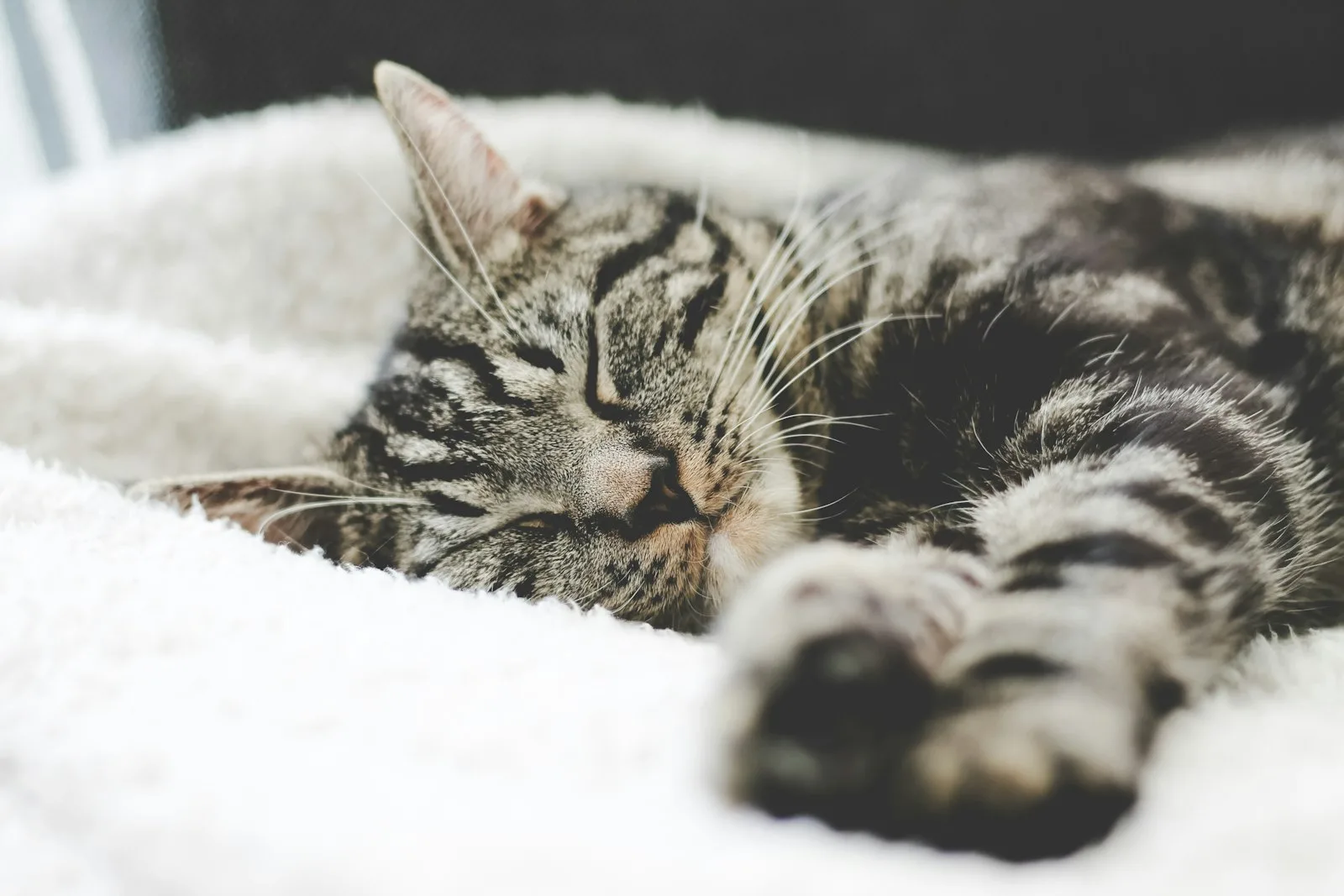
Short answer: a cat is considered a senior once they are older than 10. The 2021 AAHA/AAFP Feline Life Stage Guidelines call cats aged 7 to 10 “mature adults” and cats over 10 “seniors”, and VCA describes cats over 15 as geriatric. Many cats start to show age-related changes between 7 and 10, which is why vets recommend check-ups every six months once a cat reaches the senior stage.
Cat senior age: the vet life stages
Veterinary groups split a cat’s life into stages so that check-ups and screening match what is most likely to go wrong at each age. The table below shows where “senior” sits, with the human-age equivalent for each age.
| Cat’s age | Life stage (AAHA/AAFP) | About this age in human years | Vet visits |
|---|---|---|---|
| 7 years | Mature adult | 44 | At least once a year |
| 8 years | Mature adult | 48 | At least once a year |
| 9 years | Mature adult | 52 | At least once a year |
| 10 years | Mature adult | 56 | At least once a year |
| 11 years | Senior | 60 | Every six months |
| 12 years | Senior | 64 | Every six months |
| 13 years | Senior | 68 | Every six months |
| 14 years | Senior | 72 | Every six months |
| 15 years | Senior | 76 | Every six months |
| 16 years | Senior (geriatric, per VCA) | 80 | Every six months |
| 18 years | Senior (geriatric, per VCA) | 88 | Every six months |
| 20 years | Senior (geriatric, per VCA) | 96 | Every six months |
Human ages use the same method as our Pet Age Pro app: 15 for the first year, 24 at age 2, then 4 more per year, rounded down. Other charts differ by a few years (the Cornell Feline Health Center puts a 10-year-old cat at about 53), so read them as estimates. The full year-by-year chart, from kitten up, is in our cat age in human years chart.
The AAHA/AAFP guidelines use five stages: kitten (birth to 1), young adult (1 to 6), mature adult (7 to 10), senior (over 10) and end of life, which can come at any age. The American Animal Hospital Association’s owner advice says the same: senior pets are “dogs older than 7 years and cats older than 10”.
Why the exact age matters less than your cat
The guidelines are clear that “age groupings are not absolutes.” Some 12-year-old cats are lean, active and healthy, and the AAHA/AAFP authors note that a senior cat in excellent condition can be treated as a mature adult at the vet’s discretion. Others show signs of aging earlier. The Cornell Feline Health Center puts it this way: many cats begin to show age-related physical changes between 7 and 10, and most do by the time they are 12.
Cat guidelines use one set of ages for all cats, whereas for dogs the senior age depends a lot on size. If you share your home with a dog as well, see when a dog is considered a senior, where size changes the answer a lot.
What Pet Age Pro shows
Our Pet Age Pro app labels cats as seniors from age 7, a few years earlier than the AAHA/AAFP cut-off. Read it as an early heads-up: 7 is when many cats start to change, and it’s a good point to set up a baseline with your vet before the senior years proper. If your vet calls your 8-year-old a mature adult, that fits; the human-age numbers are the same either way.
Signs your cat is getting older
Cats are experts at hiding illness, as Cornell notes, so aging can creep up quietly. Changes that vets and veterinary sources commonly describe include:
- Weight changes. Cornell notes that many cats get heavier as they age, while others become too thin. Unexplained weight loss in an older cat is worth a vet visit, because kidney disease and other illnesses can cause it.
- Less muscle. Vets track this with a muscle condition score as well as body condition, because a cat can lose muscle without the scale showing much change.
- Stiffness and less jumping. Degenerative joint disease (arthritis) is common in older cats. It often shows as a cat who no longer jumps onto the counter, hesitates on stairs or misses the litter box, rather than as an obvious limp.
- Less grooming, leading to a greasy, matted or unkempt coat. Cornell lists an unkempt coat among the signs of both kidney disease and hyperthyroidism, so it’s worth mentioning to your vet.
- Dental problems, such as bad breath, dropping food or trouble eating. Cornell describes dental disease as extremely common in older cats.
- More sleep and less play. Some slowing down is normal, but a big change is worth mentioning to your vet.
- Hearing loss, which Cornell lists as common in older cats.
Changes in behavior and memory
Some older cats develop cognitive dysfunction syndrome, a gradual decline in brain function that the AAHA/AAFP guidelines list among the conditions to screen for in seniors. Signs described by Cornell include:
- Wandering or seeming disoriented
- Excessive meowing, often at night
- Avoiding people or other pets more than before
- Litter box accidents in a cat that has always used the box
Cornell warns never to assume that changes in an older cat are simply due to old age. Litter box problems, for example, can come from joint pain, from kidney disease or hyperthyroidism making a cat urinate more, or from a box that has become hard to climb into.
Health problems that become more common in senior cats
This is why the senior stage matters. According to Cornell, AAHA and VCA, these conditions become more common as cats age:
| Condition | What you might notice |
|---|---|
| Chronic kidney disease | Often no obvious signs early on; later, drinking and urinating more, a poorer appetite, weight loss, lethargy and an unkempt coat. Cornell says it affects up to 40% of cats over 10 and 80% of cats over 15. |
| Hyperthyroidism | Weight loss despite a bigger appetite, more drinking and urinating, hyperactivity, sometimes vomiting or diarrhea and a greasy or matted coat |
| High blood pressure | Often no signs at first. It usually comes with kidney disease or hyperthyroidism, and can cause sudden changes in vision, disorientation or weakness; Cornell notes it can seriously and irreversibly damage a cat’s sight. |
| Arthritis (degenerative joint disease) | Jumping less, hesitating on stairs, grooming less, missing the litter box |
| Dental disease | Bad breath, dropping food, trouble eating or chewing dry food |
| Diabetes, inflammatory bowel disease, cancer | Varied signs. Any lasting change in thirst, appetite, weight, litter box habits or a new lump is worth a vet check. |
Many of these share the same early signs (more thirst, weight loss), which is exactly why vets rely on blood and urine tests rather than appearance alone.
What changes when your cat becomes a senior
- Vet check-ups every six months. The AAHA/AAFP guidelines recommend at least yearly exams for kittens and adults, “increasing to every six months for seniors.” AAHA stresses that this includes cats that look healthy. Our vet visit schedule by age covers every life stage.
- Screening tests. The 2023 AAHA Senior Care Guidelines suggest a complete blood count, a blood chemistry panel (including kidney values, with SDMA if available) and a urinalysis every 6 to 12 months for senior cats, and strongly recommend yearly thyroid (T4) testing and blood pressure checks. The first set of results becomes a baseline your vet can compare against later. Cornell notes that SDMA can rise when about 40% of kidney function is lost, while creatinine generally doesn’t rise until almost 75% is lost, which is why regular bloodwork can catch kidney disease early.
- A broader exam. For mature and senior cats, the AAHA/AAFP guidelines highlight pain assessment, feeling the thyroid gland and kidneys, a joint and muscle exam, a dental check and questions about behavior changes. Bring notes on anything you’ve noticed at home.
- Weight and muscle tracking. Weigh your cat on the same scale regularly and note the numbers. Slow weight loss is easy to miss when you see your cat every day.
- Food that fits. AAHA mentions a high-protein diet to support muscle mass among the options for senior pets. Ask your vet before switching, especially if your cat has kidney disease, which can change what they should eat.
- Vaccines tailored to health. The AAHA/AAFP guidelines say the risks and benefits of vaccinating senior cats should be weighed against each cat’s overall health, so your vet may adjust the plan.
Coming soon: Pet Planner
Pet Planner is the pet care log we’re building at AppSphere Solutions. For an older cat, you can log weight, eating, drinking, litter box trips, medications and vet visits with one tap, see weight trends in Insights charts, and set one-time or repeating reminders for check-ups. It isn’t released yet, but you can join the waitlist to hear when it’s ready for iPhone and Android.
No launch date yet. See what Pet Planner does
Making home easier for an older cat
Small changes can help a senior cat stay comfortable and keep using the litter box. AAHA and Cornell suggest:
- A low-sided litter box, or one with a cut-out entrance, that’s easy to step into with stiff joints.
- Ramps, steps or a stool up to favorite windowsills, beds and sofas.
- Non-slip surfaces such as rugs on hard floors, and soft, supportive bedding in a warm spot.
- Help with grooming. Cornell recommends daily brushing or combing for older cats and checking their nails weekly.
- Tooth care. Cornell calls daily tooth brushing the single most effective way to prevent dental disease; ask your vet to show you how if your cat will accept it.
- A calm routine. Cornell advises reducing stress for older cats, for example by avoiding bringing in a new pet or moving house if you can.
- A quick weekly once-over at home: run your hands over your cat for lumps, check eyes, ears, teeth and coat, and note any change to tell your vet.
If you’re wondering how many years your senior cat may have ahead, our guide to how long cats live covers typical lifespans indoors and outdoors.
When to call your vet
Don’t wait for the next six-month check if your older cat shows any of these:
- Drinking or urinating much more than usual. Cornell gives more than about one ounce of water per pound of body weight a day as a warning sign.
- Weight loss you can’t explain, or eating more while still losing weight
- Eating less, or trouble chewing or picking up food
- Vomiting or diarrhea that keeps coming back
- New lumps, or a lump that grows or changes
- Litter box accidents, straining, or changes in urine or stool
- Sudden changes in vision, such as bumping into things
- Confusion, night-time crying or hiding more than usual
Go to a vet or emergency clinic straight away if your cat is breathing with an open mouth or struggling to breathe (Cornell treats more than 35 breaths a minute at rest as a warning sign), or collapses or seems suddenly weak.
This guide is general information and isn’t a substitute for advice from a veterinarian who knows your cat.
FAQ
Is a 10-year-old cat a senior?
Almost. Under the 2021 AAHA/AAFP guidelines, cats aged 7 to 10 are mature adults and cats older than 10 are seniors. Many cats already show some age-related changes by 10, so it’s a good time to talk to your vet about senior screening.
Is a 7-year-old cat old?
No. A 7-year-old cat is a mature adult, roughly 44 in human years. It is a sensible age to start watching for early changes and to get baseline blood and urine tests, but full senior care with six-monthly visits usually starts after 10.
How old is a 15-year-old cat in human years?
About 76, using the common estimate of 15 human years for the first year, 9 for the second and 4 for each year after that. VCA describes cats over 15 as geriatric.
How often should a senior cat see the vet?
Every six months, according to the AAHA/AAFP Feline Life Stage Guidelines, even if your cat seems healthy. Your vet may suggest more frequent visits for a cat with an ongoing condition such as kidney disease.
What tests do senior cats need?
The 2023 AAHA Senior Care Guidelines suggest a complete blood count, blood chemistry and urinalysis every 6 to 12 months, plus yearly thyroid (T4) testing and blood pressure checks. Your vet will tailor this to your cat.
Sources
- American Animal Hospital Association / American Association of Feline Practitioners. 2021 AAHA/AAFP Feline Life Stage Guidelines.
- American Animal Hospital Association. 2023 AAHA Senior Care Guidelines: diagnostic tests and recommended frequencies for senior dogs and cats.
- American Animal Hospital Association. Supporting your senior pet: veterinary care recommendations.
- Cornell Feline Health Center. The special needs of the senior cat, Chronic kidney disease and Hyperthyroidism in cats.
- VCA Animal Hospitals. Senior cat care: special considerations.
Written by Jordan Ellis for AppSphere Solutions. Researched against the veterinary sources listed above. See how we research our guides, or browse more pet care guides.